
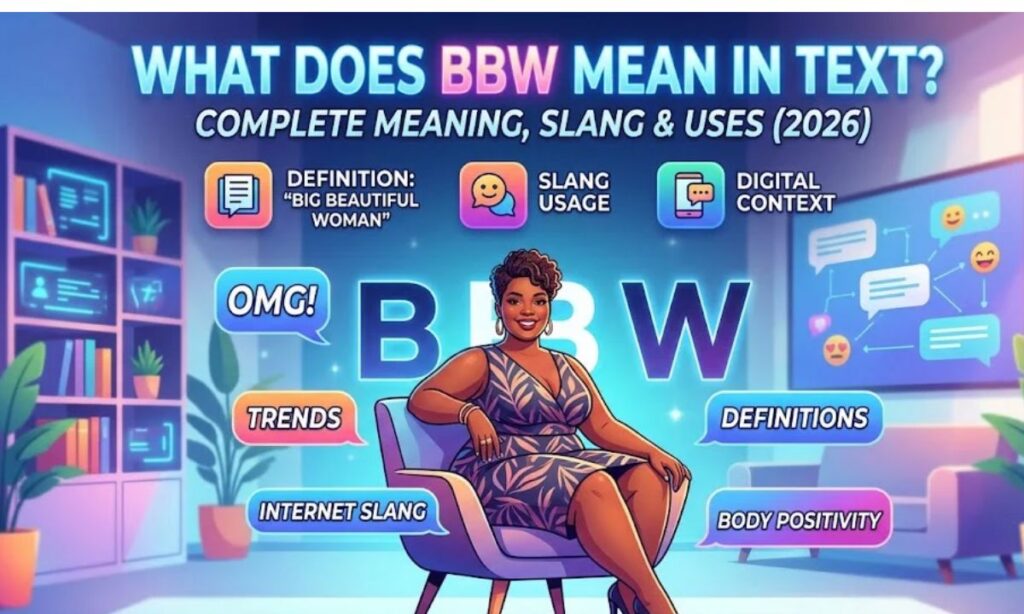

BBW is a texting and internet abbreviation that stands for “big beautiful woman.” You’ll see it in dating app bios, social media captions, and text conversations, and depending on where it shows up, it can read as a genuine compliment, a neutral descriptor, or something that feels reductive if it’s used carelessly.
This guide covers the full meaning of BBW, where the term came from, how it’s used across texting and dating platforms, and how to use or respond to it in a way that reads as respectful rather than awkward.
BBW Meaning in Text – Quick Explanation
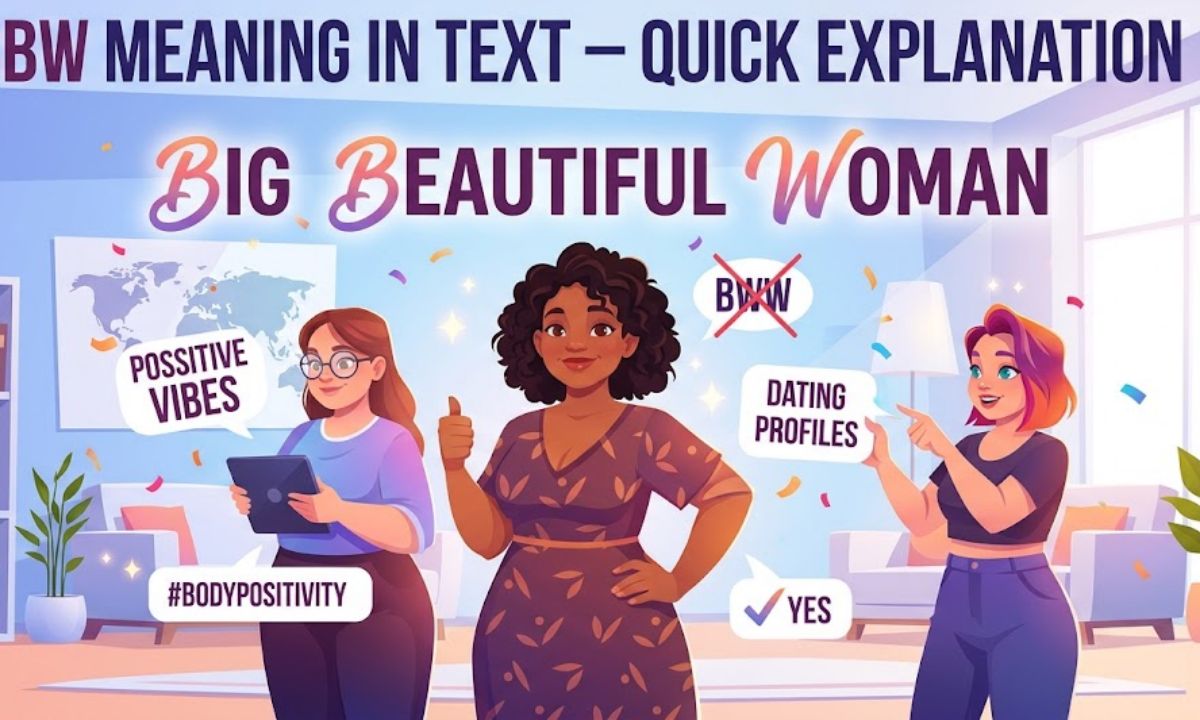
BBW stands for “big beautiful woman.” It’s used as a positive, affirming description for women with larger body types, and it shows up most often in dating profiles, body-positivity spaces, and casual conversation. Occasionally people misspell or mistype it as “bww,” but the abbreviation itself is BBW, three letters, no alternate meaning behind the typo.
BBW Full Form
The full form of BBW is “big beautiful woman.” The term was coined in 1979 by Carole Shaw with the launch of BBW Magazine, a fashion and lifestyle publication aimed at plus-size women. That origin matters because it shows the term started as a deliberate, positive rebrand rather than as slang that developed informally online.
BBW Usage in Messages and Texting
In everyday texting, BBW usually appears in one of two ways: as a compliment (“you’re such a BBW, you look amazing”) or as a way someone describes themselves (“I’m a proud BBW”). Used this way, it functions similarly to other body-related compliments, intended to affirm rather than categorize.
- “She’s a total BBW and she owns it” — used as a compliment
- “I identify as a BBW and I’m not ashamed of it” — used as self-description
- “Are you into BBW?” — used as a preference, most common on dating platforms
Also Read This:What Does SMTH Mean in Text? Meaning, Slang Uses & Real Examples (2026)
BBW Meaning on Dating Apps & Social Media
BBW is especially common on dating apps and niche dating platforms, where it appears in bios, search filters, and preferences. It also shows up widely on social media as a hashtag or caption term within body-positive communities, where it functions as an identity label people choose for themselves.
It’s worth being direct about one thing: BBW is also a well-documented term within adult content categorization, where it functions as a genre label. That usage exists alongside its use in mainstream dating and body-positivity contexts, and the two aren’t the same thing, but it’s part of why the term can carry a different weight depending on the platform and context it shows up in.
Is BBW Offensive or Flattering?
It depends entirely on context, tone, and who’s using it. When someone uses BBW to describe themselves, or when it’s used within body-positive spaces as a form of reclaimed language, it generally reads as affirming. When it’s used by someone else, especially a stranger, purely as a physical label rather than part of a genuine compliment or conversation, it can come across as reducing a person to their body type.
There’s also a documented alternate, mocking reading of the same initials, “big-boned woman,” used sarcastically rather than affirmingly. That version is not the standard or intended meaning, but it’s worth knowing it exists, since it’s sometimes used to poke fun rather than compliment.
BBW Usage in Professional or Formal Settings
BBW does not belong in professional emails, workplace messages, or formal writing of any kind. Even in a complimentary sense, it’s a body-focused term and has no place in professional communication, where comments about someone’s physical appearance are inappropriate regardless of intent.
Polite Alternatives to BBW
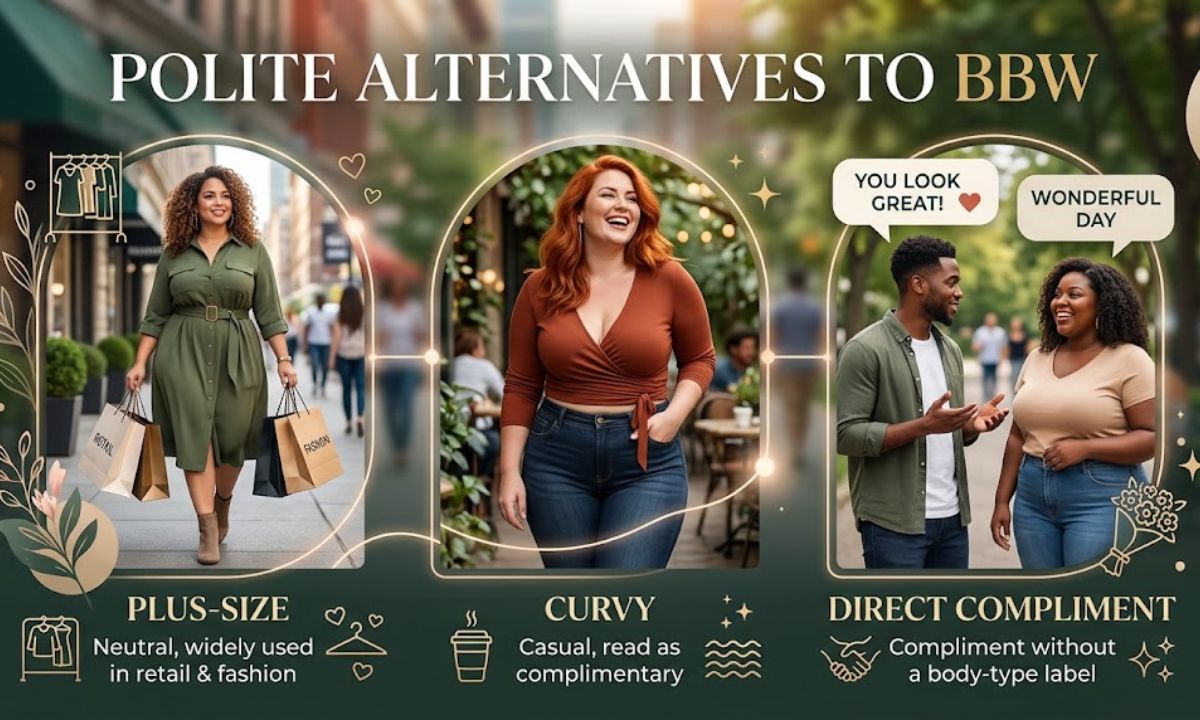
If you want to express the same sentiment without the specific slang term, or you’re speaking in a more neutral or formal context, a few alternatives work better:
- “Plus-size” — a more neutral, widely used descriptor, especially in retail and fashion contexts
- “Curvy” — casual and generally read as complimentary
- Simply complimenting the person directly (“you look great”) without a body-type label at all
How to Use BBW Politely in Text Messages
- Use it only if the person has used it to describe themselves first, rather than assigning the label unprompted.
- Keep it paired with genuine, specific compliments rather than using it as a standalone comment.
- Avoid using it with someone you don’t know well, since tone can easily be misread over text.
- If in doubt, default to a compliment that isn’t body-focused at all.
How to Reply When Someone Calls You BBW
How you respond depends on how you feel about the label and the context it was used in. If it was meant and received as a compliment, a simple “thank you” works fine. If it felt reductive or unwelcome, it’s reasonable to say so directly, something like “I’d rather you just say I look nice” resets the tone without being confrontational.
BBW vs. Plus Size: Key Differences
| Term | Common Context | Tone |
|---|---|---|
| BBW | Dating apps, body-positive social media, casual texting | Personal, affirming, sometimes used in adult-content contexts |
| Plus size | Retail, fashion, general conversation | Neutral, widely accepted, functional descriptor |
When Not to Use BBW
- In professional or workplace communication
- With someone you don’t know well or haven’t discussed body language with
- As an unsolicited label rather than a response to how someone describes themselves
- In formal writing, academic contexts, or customer-facing content
Body Positivity in 2026 Context
BBW remains part of the broader body-positivity and fat-acceptance vocabulary, alongside terms like “curvy” and “plus-size.” Its continued use reflects a wider shift toward people choosing their own descriptive language rather than having size-related labels imposed on them. That’s also why context matters so much: a term someone embraces for themselves isn’t automatically appropriate for someone else to apply to them.
Avoiding Offensive Slang in Texting
The general rule with any body-related slang, BBW included, is to let people set their own terms. Mirroring language someone uses about themselves is almost always safer than introducing a body-type label into a conversation first. When in doubt, a compliment that doesn’t reference body size at all avoids the guesswork entirely.
Reference Dictionary Definitions
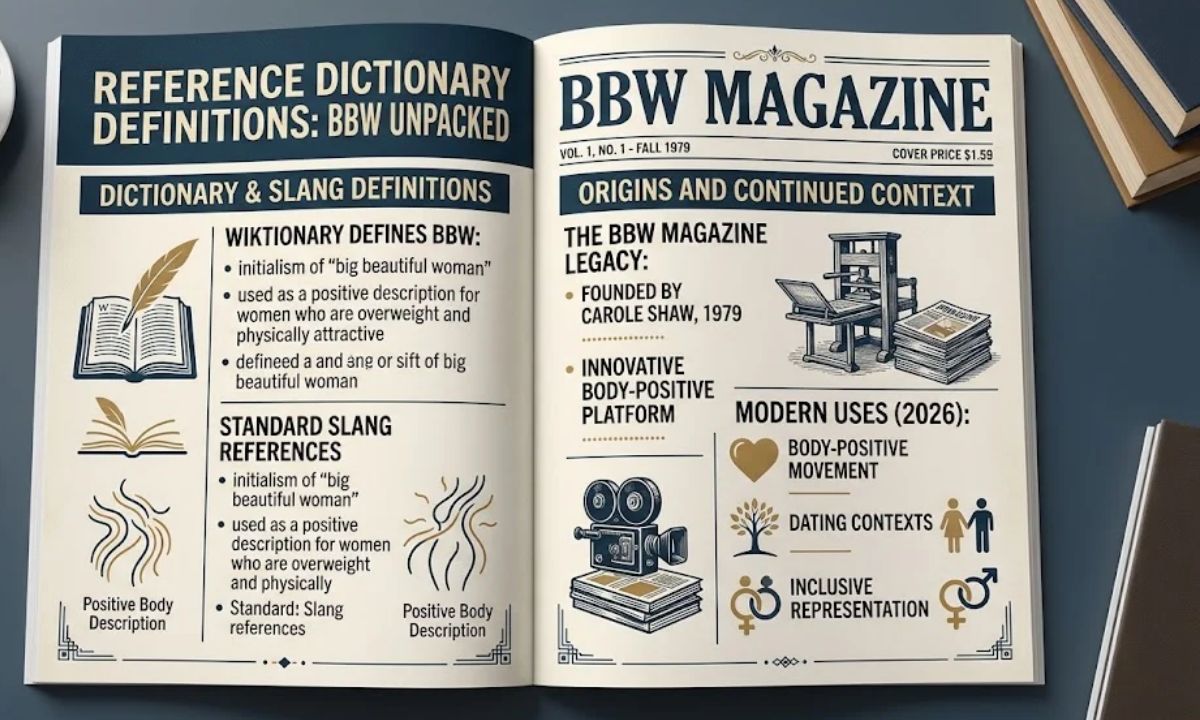
Standard slang and dictionary references, including Wiktionary, define BBW as an initialism of “big beautiful woman,” used as a positive description for women who are overweight and physically attractive. These sources also note the term’s origin in Carole Shaw’s 1979 BBW Magazine and its continued use within body-positive and dating contexts today.
Frequently Asked Questions
What does BBW stand for?
BBW stands for “big beautiful woman.”
Is BBW an insult?
Not inherently, it started and is generally used as an affirming term, though tone and context can make it feel reductive if used carelessly or by someone the recipient doesn’t know well.
Is BBW the same as plus size?
They’re related but not identical, “plus size” is a more neutral, widely accepted term, while BBW carries a more personal and sometimes platform-specific tone.
Can I call someone BBW as a compliment?
Only if they use the term for themselves first, otherwise it’s safer to compliment someone without applying a body-type label.
Where did the term BBW come from?
It was coined in 1979 by Carole Shaw with the launch of BBW Magazine, a plus-size fashion and lifestyle publication.
Conclusion
BBW stands for “big beautiful woman,” a term with real roots in the body-positivity movement that shows up today across texting, dating apps, and social media. Whether it reads as a compliment or comes across as reductive depends almost entirely on context, tone, and whether the person it’s describing has claimed the term for themselves. When that’s unclear, the safest move is simple: let people set their own language, and compliment them without needing a label at all.


Pingback: What Does IKKK Mean in Text? IKKK Meaning, Slang Uses, Examples & Replies (2026)